
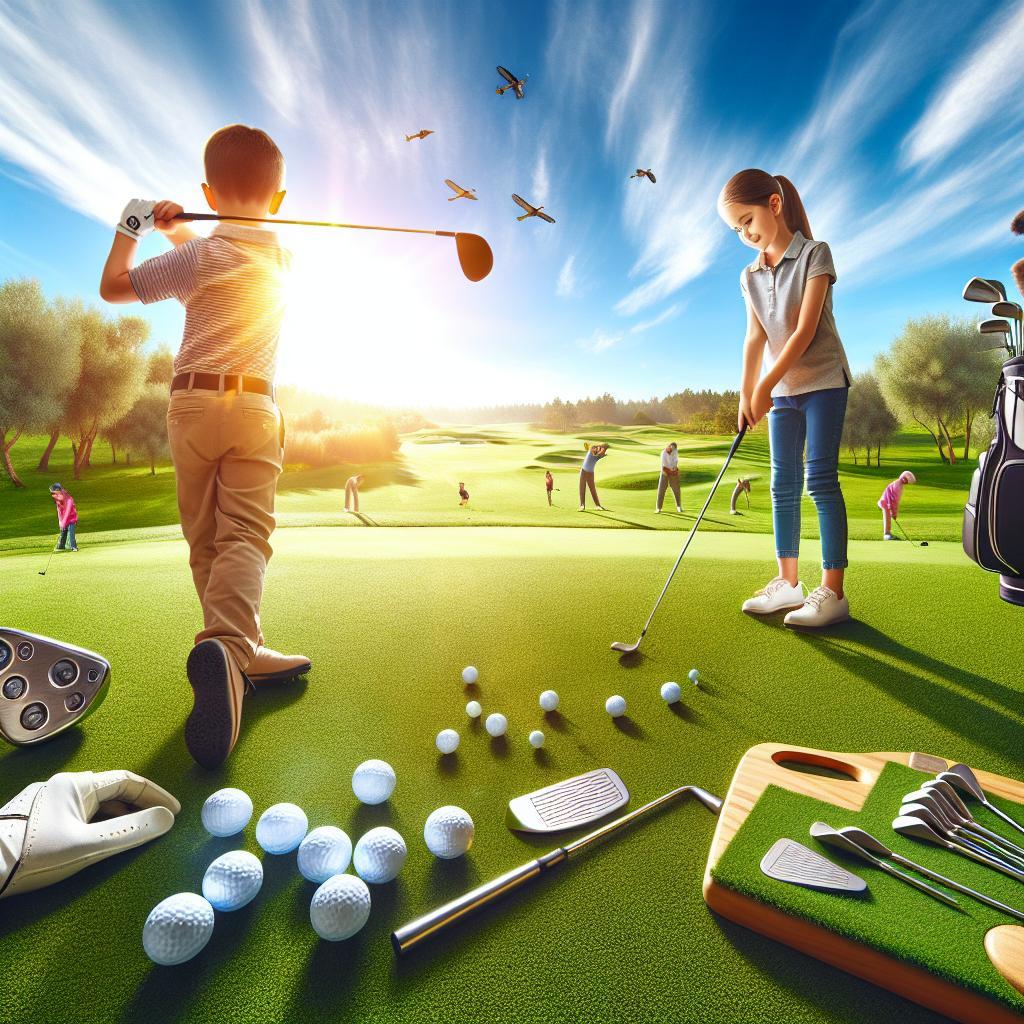

Golf may not be the first sport that comes to mind when considering activities for children, but “10 Reasons Why Children Should Start Playing Golf Today!” will likely change your perspective. This timeless game offers more than just a leisurely day on the greens; it fosters essential life skills, promotes fitness, and encourages social connections. Whether your child is a budding athlete or simply looking for a fun way to enjoy the outdoors, golf can provide the perfect blend of challenge and excitement. Let’s explore why introducing your child to this wonderful sport could be one of the best decisions you make for their growth and development.
Why Golf Builds Essential Life Skills
Golf is more than just a sport; it serves as a rich environment for developing essential life skills that children will carry with them long after they leave the green. Every swing and every putt can teach valuable lessons in discipline, patience, and resilience—qualities that are beneficial in every aspect of life.
One of the first lessons kids encounter on the course is patience. Unlike fast-paced sports, golf requires time and consideration. Imagine watching a 10-year-old wait for their turn to hit while staying focused on their form and strategy. In this waiting game, they learn that good things come to those who wait, whether it’s a beautiful shot or some of life’s bigger rewards.
Critical Thinking and Problem Solving
Golf also fosters critical thinking and problem-solving skills. Every hole presents a unique challenge, forcing players to assess situations, choose the right club, and map out a strategy for success. Kids must think strategically about wind direction, elevation, and the terrain. This type of decision-making translates well into daily challenges, like navigating school projects or figuring out how to tackle chores.
On top of that, navigating the ups and downs of a golf game teaches resilience. We’ve all seen that kid who sinks their ball into a sand trap, muttering under their breath, yet they dust themselves off and swing for the next hole with renewed determination. This emotional courage helps them learn to bounce back from setbacks—not just in golf, but in academics, friendships, and other life disciplines.
Communication and Teamwork
Let’s not forget the social side of golf, promoting communication and teamwork when kids play in pairs or small groups. Discussing strategies, sharing tips, and even keeping score involves effective communication skills. Children learn how to articulate their thoughts, listen to others, and work towards a common goal, all while having a good chat about their favorite video games or school events amid the game.
In essence, every visit to the golf course becomes a multifaceted learning experience. Parents might find that the benefits extend beyond the fairway and into their children’s everyday lives, helping them mature into well-rounded individuals. So, why not let your little ones grab a club and head out for a day on the green? They may just discover the golf course is a classroom for life!
Discover the Joy of Outdoor Activity
Engaging in outdoor activities offers children a unique opportunity to connect with nature and build essential life skills, and what better way to do this than through golf? Golf is not just a sport; it’s a gateway to developing patience, focus, and even social skills. Just think about it—where else can a child spend a sunny day outdoors, all while learning the finesse of a swing? It’s like a mini-quest, searching for the elusive hole-in-one while enjoying the beauty of the great outdoors. Plus, you get that sweet satisfaction of hitting a perfect shot, reminiscent of nailing a school project (but with a lot more fresh air!).
Physical and Mental Benefits
Golf naturally promotes physical fitness, as it’s a game that involves walking long distances and engaging various muscle groups. Unlike some high-intensity sports, golf serves as a gentler alternative that allows children to stay active without the pressure or intensity that can sometimes accompany team sports. Alongside physical benefits, golf is also a game of strategy. Children learn to think critically, plan their shots, and navigate the course—skills that translate well beyond the fairway.
Social Interaction and Lifelong Skills
Playing golf isn’t a solitary endeavor; it fosters camaraderie and social interaction. Kids often play in groups, teaching teamwork and sportsmanship, which are invaluable traits as they grow. Plus, the lessons learned in courtesy—like waiting for your turn and respecting fellow players—are life skills that’ll stand them in good stead in various social situations.
| Aspect | Benefit |
|---|---|
| Physical Activity | Enhances fitness levels through walking and swinging |
| Cognitive Skills | Improves critical thinking and strategy formulation |
| Social Skills | Cultivates teamwork and sportsmanship |
| Emotional Growth | Encourages patience and resilience when facing challenges |
In today’s fast-paced world filled with screens, the tranquility found on a golf course is a breath of fresh air. Imagine swapping the beep of notifications for the rustle of leaves—sounds peaceful, right? Not to mention, early exposure to golf can lay the groundwork for a lifelong love of the game, possibly leading to future family outings or even college scholarships. Isn’t that a swing worth taking?
Boost Your Child’s Confidence Today
Playing golf may seem like just a leisurely activity, but it’s packed with hidden benefits that can really impact your child’s confidence. When they step onto the green, they’re not just playing a game; they’re engaging in a sport that teaches them valuable life skills. From swinging their first club to sinking that long putt, each success fosters a sense of accomplishment that can ripple through all areas of their lives. It’s remarkable how something as simple as hitting a golf ball can build a foundation of self-esteem.
Personal Growth Through Challenges
Every golfer faces challenges—whether it’s mastering a tricky swing or navigating tricky course conditions. With each round, children learn resilience and determination. They start to see that failure isn’t the end, but rather a stepping stone to improvement. When they can shake off a missed shot and refocus for the next one, they’re cultivating a mindset that will serve them well in school projects or social situations. Plus, there’s something inherently satisfying about finally nailing that shot after countless practice swings—a moment that helps kids realize that hard work pays off!
Building Social Connections
Golf is often seen as a solitary sport, but it’s also a fantastic way for children to make friends and connect with peers. Many junior leagues and golf clubs foster a team environment that helps kids forge friendships while learning the game. The camaraderie built during these experiences can enhance social skills, making it easier for them to approach new situations in other areas of their lives. Whether they’re celebrating a good round or offering each other tips, those shared moments are what create lasting memories and deep connections.
Setting Goals and Achieving Them
Another impressive aspect of playing golf is the emphasis on goal-setting. Every round offers an opportunity to set personal benchmarks—be it lowering their score, improving their swing technique, or even mastering a new club. These tangible goals teach children the importance of planning, perseverance, and celebrating achievements, regardless of how small they may seem. Learning to set realistic goals is an invaluable skill that extends far beyond the golf course, helping them face academic challenges and personal aspirations.
In essence, introducing your child to golf can be a game-changer—not just in terms of physical activity, but in nurturing their self-assurance and interpersonal skills. So why not encourage them to pick up a club? After all, every pro started as a beginner!
Foster Social Skills Through Golf
Participating in golf can be a game-changer, especially for kids when it comes to developing social skills. The beauty of this sport is that it transcends generations and backgrounds, creating a unique space where friendships can blossom. Imagine a group of children, each teeing off in their own style, yet enjoying the shared laughter and friendly banter. Golf, unlike many sports, emphasizes respect, patience, and good manners—lessons that go hand in hand with developing lasting social bonds.
Building Connections Through Collaboration
Playing golf isn’t just about individual achievement; it also enhances teamwork. When kids engage in activities like team tournaments or scrambles, they learn to rely on one another. They share strategies, celebrate successes, and even navigate setbacks together. This approach fosters a sense of camaraderie that is invaluable. They’ll discover how to communicate effectively—whether it’s discussing the best way to approach a tricky hole or offering encouragement after a missed putt. These experiences can lead to friendships that extend far beyond the golf course.
Navigating Social Etiquette
In the realm of golf, etiquette is paramount. Kids learn to respect their playing partners by being quiet while someone is taking a shot, waiting their turn patiently, and offering handshakes or “good game” nods. These small gestures teach respect and recognition of others. Furthermore, when children are introduced to the traditions of the game, they gain an understanding of behavior in various social settings. They are preparing themselves not only for a round of golf but for all sorts of social scenarios in life, from school to family gatherings.
Through golf, children not only improve their swing but also swing into a world brimming with social opportunities. The friendships fostered on the green can serve as a strong foundation throughout their lives, making this sport an excellent choice for personal development. So why not let your child’s next adventure be filled with laughter, lessons, and lasting friendships?
Enhance Focus and Concentration Naturally
Playing golf can be a fantastic way for kids to enhance their focus and concentration naturally. Imagine a sunny afternoon on the golf course, where each swing and shot requires not just physical prowess but also a mental game. Kids learn to block out distractions—like the sound of chirping birds or the giggles of friends—focusing entirely on their next move. This ability to concentrate not only helps in golf but also spills over into other areas, like schoolwork and everyday decision-making.
The Benefits of Mindfulness in Golf
When children play golf, they engage in a form of mindfulness. Golf requires them to be fully present in the moment, as they must evaluate their stance, grip, and swing. This practice can bolster their attention spans. In our fast-paced, screen-filled world, fostering a *mindful mindset* is invaluable! By taking a deep breath and recalibrating their thoughts before each swing, kids learn to calm their minds and focus on one task at a time. A little practice can transform those five hours on the golf course into powerful lessons in concentration.
Strategy and Patience: A Winning Combination
Golf isn’t just about hitting a little white ball; it’s also a game of strategy. Children must think ahead, choose the right club, and analyze the course layout. This encourages critical thinking and enhances their problem-solving skills. Not to mention, waiting for their turn can teach them patience—a quality that enriches their everyday interactions. Picture a kid standing on the tee box, weighing their options, then making a thoughtful choice. That’s a moment of *mental gymnastics* that can occupy their minds in healthy ways!
Understanding the relationship between enhancing focus through sports like golf is ongoing research, but anecdotal evidence and practical experiences support its effectiveness. When you’re wondering how to help a child focus better, consider introducing them to the joys of golf. Not only will they learn to hit a hole-in-one, but they’ll also gain invaluable skills that’ll serve them well both on and off the course.
Physical Benefits of Playing Golf
Playing golf is not just a leisurely pastime; it brings a wealth of physical benefits, especially for children. With its unique blend of walking, swinging, and strategizing, golf provides a comprehensive workout that is often overlooked. Imagine your child, nestled among friends in a green oasis, laughing and playing while also contributing to their physical health!
Improved Cardiovascular Health
One of the standout benefits of playing golf is the boost it offers to cardiovascular health. A round of golf typically involves walking 4-5 miles, and when carrying clubs, it becomes a little workout in itself! This form of aerobic exercise is great for keeping the heart pumping and helps reduce the risk of obesity and heart-related diseases later in life. Plus, with some brisk walking from hole to hole, your kiddo gets to build their endurance without even realizing they’re exercising!
Strength and Flexibility
Golf also enhances muscle strength and flexibility. Swinging a golf club might seem simple, but it works various muscles in the arms, legs, and core, promoting better coordination and stability. As kids develop their swings, they’re subtly increasing their flexibility, too. Think of it as a fun way to stretch—ideal for those who may shy away from traditional fitness routines. Many youth golfers extend their reach and enhance their physical abilities through regular practice, turning them into more agile athletes.
Throughout their golfing journey, kids may also discover a newfound appreciation for nature, as they step outside to enjoy the fresh air, which contributes to mental well-being. Being outdoors can also have positive effects on mood, reducing stress and cultivating a love for physical activity. It’s like hitting two golf balls with one club—physical health and emotional resilience in one swing!
In a connected world of video games and screens, engaging children in an outdoor sport like golf could plant the seeds for a lifetime of healthy habits, serving as a powerful reminder that fitness can be fun! So, why not grab a few clubs and hit the course? It’s a fantastic way for kids to stay active while enjoying the great outdoors.
Cultivate a Love for Nature
Playing golf is an adventure that goes beyond just swinging clubs and chasing balls; it opens the door to a vibrant world of nature. Imagine the feeling of grass beneath your feet, the sun warming your skin, and the sweet sound of birds chirping as you navigate the course. For children, bonding with this outdoor setting is incredibly beneficial. Here, they can become explorers in their own right. Golf offers them a unique avenue to appreciate the environment and instills a sense of stewardship for Mother Earth.
The Relationship Between Golf and the Great Outdoors
Engaging with nature through golf can cultivate a lifelong love of the outdoors. Every time a child steps onto a course, they are surrounded by trees, flowers, and open skies—an idyllic laboratory for learning. It’s a chance to observe the changing seasons, notice the various wildlife, and appreciate the beauty of their surroundings. This isn’t just play; it’s an immersive experience that can encourage curiosity. Just think about it: taking a moment to watch a flock of geese fly overhead or spotting a rabbit darting into the bushes can spark a conversation about ecosystems or the importance of biodiversity.
Benefits of Nature Immersion Through Golf
Engaging with nature while playing golf has numerous benefits. Here are a few standouts:
- Physical Health: Being outdoors provides fresh air and sunlight, essential for vitamin D synthesis.
- Mental Well-Being: Time spent in nature has been shown to reduce stress and promote mental clarity.
- Observational Skills: Children develop their ability to notice details, from reading the greens to identifying local plants and animals.
- Social Skills: Playing with friends on the course fosters teamwork and communication, both of which are vital in nature-based environments.
golf is a fantastic gateway for children to build a love and respect for nature while enjoying a fun and rewarding sport. They won’t just learn how to play, but they’ll also gain a deeper understanding of the natural world surrounding them. It’s about striking the right balance between sport and conservation, creating mini-environmental stewards, one swing at a time.
Set the Stage for Future Success
Encouraging children to take up golf not only presents them with an enjoyable pastime but also lays the groundwork for a myriad of life skills that will benefit them as they grow. Imagine a child, swinging a club with determination, learning to focus amidst distractions on the course, while making friends, experiencing wins, and coping with losses. Each swing and putt is an opportunity to hone abilities that extend far beyond the green.
The Importance of Skills Development
When kids engage in golf, they acquire essential skills such as:
- Discipline: Mastering the game demands persistence, teaching children the value of practice and hard work.
- Etiquette: Golf is rich in tradition and decorum, which fosters respect for others and self-regulation.
- Problem-Solving: Strategic thinking emerges as they strategically plan their next move, analyzing the course and their shot choices.
- Patience: Waiting for turns and dealing with challenges on the course helps children become more patient in their daily lives.
Setting Long-Term Goals
Setting achievable goals within golf not only gives children a sense of accomplishment but also translates into broader life ambitions. Just like aiming for a hole-in-one becomes a microcosm of working towards something big, learning to set and meet goals can help them in academics, hobbies, and future careers. Each small victory on the course builds confidence that’s not easy to shake off. And who doesn’t remember the thrill of sinking that first putt? It’s a moment that can shape their belief in themselves for years to come.
As they navigate the sport, kids will also benefit from the camaraderie that comes with team formats or playing alongside friends. Golf often feels solo, but it’s a community experience too! Taking part in junior clubs or local tournaments fosters friendships and creates networks that can last a lifetime. Much like how the best rounds of golf often come with laughter and camaraderie, the skills learned in these settings carry immense weight as they journey through their futures.
Frequently asked questions
Title: 10 Reasons Why Children Should Start Playing Golf Today!
Q1: Why should children start playing golf at a young age?
A1: Starting golf at a young age provides children with a unique opportunity to develop various skills. Golf emphasizes focus, patience, and discipline, which are essential traits they can carry into other aspects of life. Plus, it’s a game they can enjoy for a lifetime!
Q2: How does golf benefit a child’s physical health?
A2: Golf is a fantastic way to keep kids active! Walking the course, swinging clubs, and honing their skills helps improve cardiovascular health, flexibility, and coordination. It’s a low-impact sport, making it suitable for children of all ages and fitness levels.
Q3: Can playing golf help with social skills?
A3: Absolutely! Golf is often played in groups, offering children chances to interact with peers and adults alike. It serves as a great platform for socialization, teaching kids about teamwork, sportsmanship, and communication—as well as building friendships that can last a lifetime.
Q4: What cognitive skills can children develop through golf?
A4: Golf encourages strategic thinking and problem-solving. Kids learn to plan their shots, judge distances, and make quick decisions under pressure—all of which engage critical thinking skills. This mental exercise can also translate positively to their academic performance.
Q5: How does golf teach children about responsibility?
A5: Golf instills a sense of responsibility in young players. They learn to take care of their equipment, follow the rules of the game, and maintain respect for the golf course and fellow players. These lessons in accountability are invaluable as they grow.
Q6: How can golf boost a child’s self-esteem?
A6: Mastering new skills and seeing improvement over time greatly enhances a child’s confidence. Whether it’s hitting the ball farther or lowering their score, every small victory on the course can significantly boost their self-esteem and sense of accomplishment.
Q7: Is golf a good way to spend time with family?
A7: Definitely! Golf can be a wonderful family activity. Parents and children can bond over rounds of golf, sharing tips and enjoying friendly competition. It creates a shared interest that can strengthen family relationships while promoting an active lifestyle.
Q8: What makes golf different from other sports?
A8: Unlike many team sports, golf is largely an individual game, allowing kids to work at their own pace. It teaches them personal accountability and self-management while encouraging them to set their own goals. Plus, the game can be played well into adulthood, fostering a lifelong passion.
Q9: How can children get started with golf?
A9: Many community golf courses offer junior programs, clinics, and lessons tailored for children. Additionally, local schools or sports clubs may have introductory classes. Starting with the basics in a fun, supportive environment is key to fostering their interest.
Q10: What age is best for children to begin playing golf?
A10: While children as young as 4 or 5 can begin playing, the best age really depends on the child’s interest and physical ability. It’s important to make the experience enjoyable to spark their passion, regardless of when they start. The earlier they begin, the more opportunities they’ll have to grow and develop in the sport!
Incorporating golf into children’s lives offers numerous benefits beyond just playing the game. From physical fitness to social skills, the advantages are plentiful and can set the foundation for a healthy, active lifestyle. So why wait? Get them out on the golf course today!
Closing Remarks
introducing your children to golf offers a multitude of benefits that extend far beyond the fairway. From enhancing their physical health and promoting social interaction to instilling valuable life skills like patience and perseverance, golf is a sport that nurtures both body and mind. As we’ve explored, the opportunities for growth and enjoyment are plentiful, making it a perfect activity for young ones to engage in.
So, whether your child is a natural athlete or simply curious about the game, encouraging them to pick up a golf club can be a rewarding decision. Not only will they develop essential skills, but they’ll also cultivate a lifelong love for a sport that can accompany them through various stages of life.
Remember, the best time to start is now. So grab those clubs, head out to the nearest course, and let the adventures begin! Happy golfing!
Get our latest guides, news, and insights highlighted in your Google Search & AI Overviews.



 STRUGGLING WITH SLICES?